Ozone as a Defense Against Biofilm and Bacterial Growth in RO Tanks
For OEMs and dealers in the water treatment industry, biofilm is a persistent challenge in atmospheric storage and RO holding tanks. Once biofilm develops, it not only compromises water quality but also increases service calls, shortens system life, and creates dissatisfied end users. Traditional methods—manual cleaning, chemical dosing, or periodic shock treatments—rarely solve the problem long-term. Ozone offers a more effective, scalable solution that you can integrate directly into tank recirculation systems.
Why Biofilm Matters
Biofilm forms when bacteria adhere to internal tank surfaces and create a slimy protective layer. Within that matrix, microorganisms multiply rapidly and resist chemical disinfectants. For dealers, this creates a cycle of callbacks: taste and odor complaints, clogged distribution lines, and premature fouling of downstream equipment. For OEMs, it raises questions of warranty coverage, maintenance burdens, and system performance.
The Ozone Advantage for Tank Recirculation
Ozone is the strongest oxidant available for water treatment and reacts almost instantly with bacteria, viruses, and organic matter. Unlike chlorine or other chemicals, ozone leaves behind no disinfection byproducts, making it both effective and environmentally responsible.
When applied to tank recirculation systems, ozone provides key advantages:
- Direct Biofilm Attack: Ozone penetrates and disrupts the extracellular matrix, preventing biofilm from forming and reducing existing colonies.
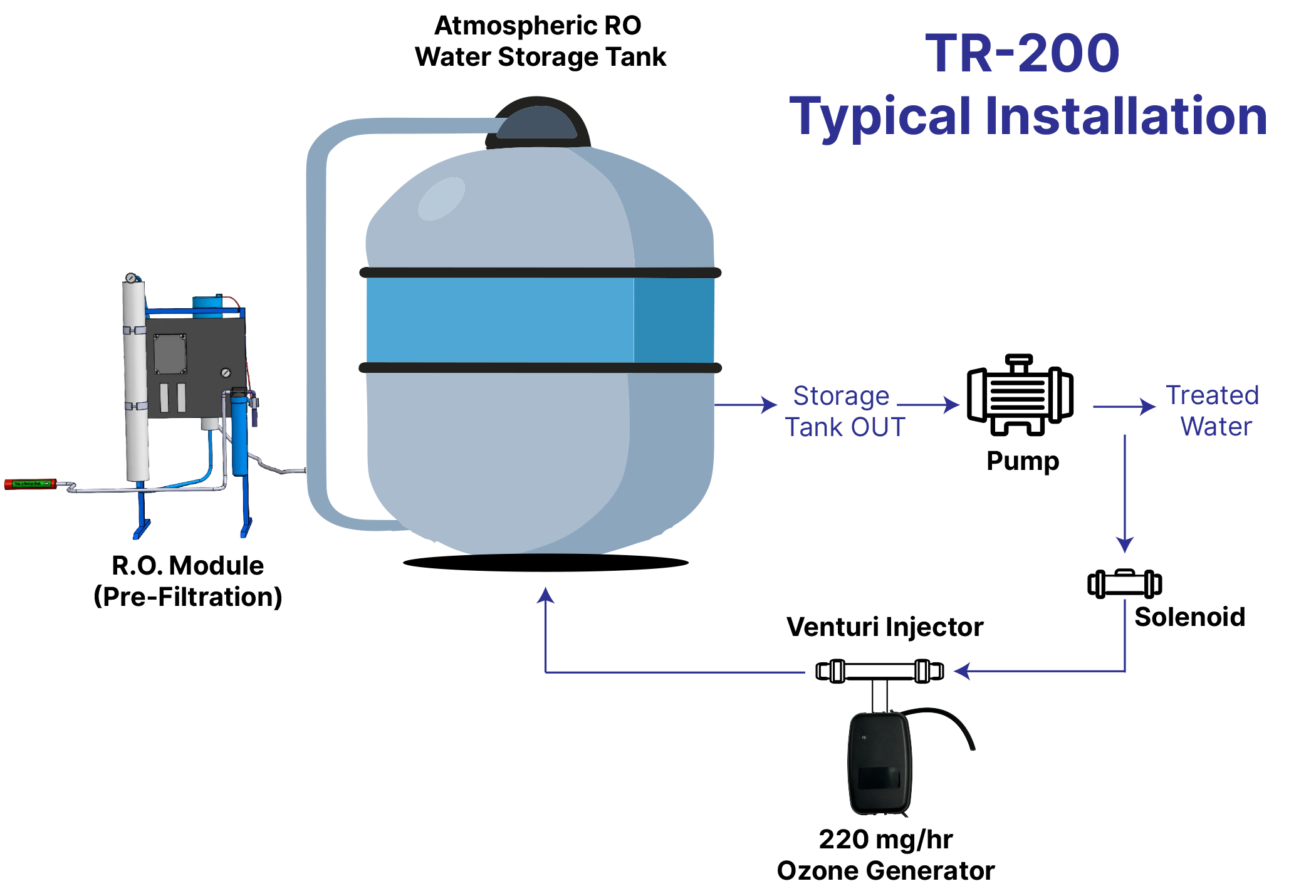
- Continuous Oxidation: Integrated with a recirculation pump and venturi injector or diffuser, ozone can maintain a stable residual within the tank, keeping water fresh 24/7.
- Reduced Service Calls: With fewer taste, odor, and bacterial complaints, dealers spend less time troubleshooting and more time building business.
- Scalable for OEMs: Ozone generators can be engineered into systems of any size—from residential atmospheric tanks to large commercial or industrial storage applications.
Integration Opportunities
For OEMs and dealers, ozone can be seamlessly added to a system design without complicating installation or maintenance:
- Compact Footprint: Modern ozone generators are available in plug-and-play formats that simplify integration.
- Versatile Injection Methods: Venturi-based recirculation loops can be tailored to specific tank designs and flow rates.
- Automated Control: Ozone systems can be tied into existing relay-enabled valves, providing reliable treatment without extra steps for the end user.
The Business Case for Ozone

Incorporating ozone into tank recirculation delivers value on multiple levels:
- Performance Guarantee: Tanks stay clean, extending the life of downstream equipment.
- Customer Satisfaction: End users experience consistently high-quality water.
- Competitive Edge: Dealers who offer ozone-based systems differentiate themselves from competitors relying on chemicals or manual maintenance.
- Fewer Callbacks: Reduced bacterial growth and biofilm translate into lower service costs and higher dealer margins.
The Bottom Line
For OEMs and dealers, ozone is more than an oxidizer—it’s a proactive strategy for protecting storage tanks, reducing maintenance, and delivering superior water quality. By integrating ozone into your system designs, you provide your customers with a long-term defense against biofilm while giving your business a sustainable competitive advantage.
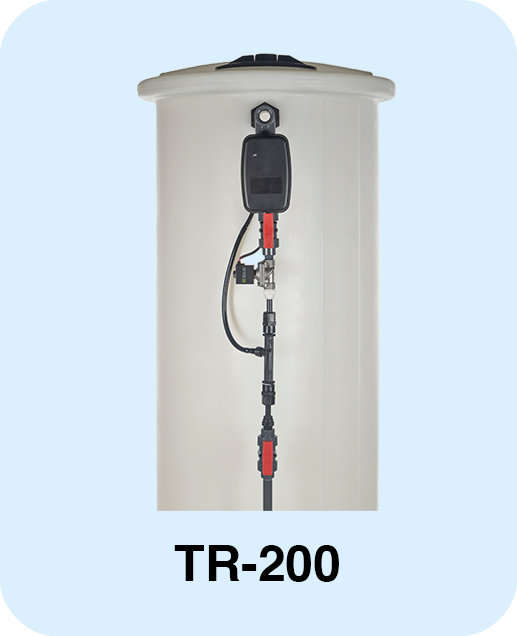
Check out our newest innovation, the TR-200, a kit designed specifically for RO tank recirculation.